

Algorithms orchestrate warehousing, and AI optimizes transportation: Dongyin delivers an intelligent warehouse‑and‑distribution optimization solution for 600+ CIOs.
Release time:
2025-07-01
On June 27, the 11th National Consumer Goods CIO Conference and the 3rd China AI Large Model Application Conference were grandly held in Shanghai, bringing together over 600 CIOs and IT leaders from leading companies across industries such as food, beverages, cosmetics, home goods, and catering to jointly explore the cutting edge of digital transformation.
From “knowing what to do” to “knowing how to do it,” AI is elevating supply chain decision-making efficiency to new heights.
On June 27, the 11th National Consumer Goods CIO Conference and the 3rd China AI Large Model Application Conference were grandly held in Shanghai, bringing together over 600 CIOs and IT leaders from leading companies across industries such as food, beverages, cosmetics, home goods, and catering to jointly explore the cutting edge of digital transformation.
Ren Jie, Deputy General Manager of Dongyin Technology, was invited to deliver a keynote speech titled “AI-Driven Digital and Intelligent Supply Chain Management,” offering an in-depth analysis of how AI can address the core pain points of supply chains in the consumer goods industry. His innovative warehouse‑and‑delivery optimization solution drew widespread attention from the audience.
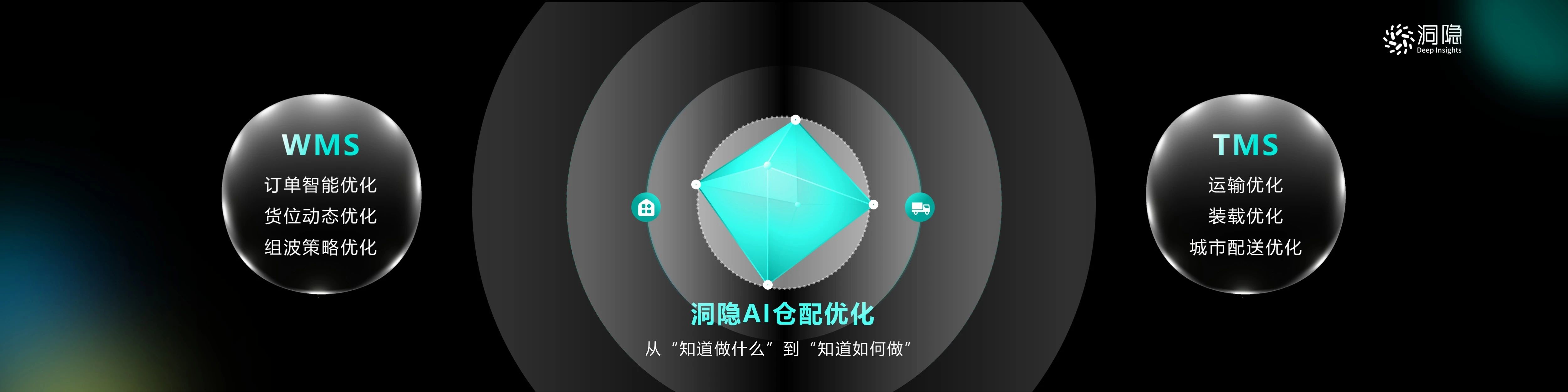
Algorithm-Driven Warehouse Management: From Static Rules to Dynamic Intelligence
① Intelligent Order Optimization
Using multimodal model‑conversion technology, unstructured order parameters are automatically standardized, and an intelligent review engine performs real-time validation of inventory, credit status, and priority levels, with instructions routed directly to PDA terminals. This fundamentally transforms the traditional manual review process, enabling sub‑second response times from order review to execution.
② Dynamic Optimization of Storage Locations
An ABC intelligent analytics system, powered by sales data and order patterns, dynamically adjusts inventory‑storage strategies. By optimizing item placement based on turnover rates and implementing smart slot allocation, it boosts warehouse utilization and significantly improves replenishment efficiency.
③ Group Wave Strategy Optimization
Beyond order-level similarity analysis, there is also a line-item similarity analysis algorithm that delves into order detail lines to identify those with similar SKUs, comparable quantities, and shared storage locations, automatically generating an optimal wave‑picking strategy.
AI-Driven Transportation Scheduling: From Empirical Practices to Scientific Optimization
① Transportation Optimization
Based on product attributes, weather conditions, and distance, the system automatically matches carriers and transportation modes by integrating multi-dimensional parameters such as order density and route costs.
② Loading Optimization
AI‑powered packing algorithm that accounts for transportation mode, temperature zones, placement patterns, stacking requirements, center of gravity, load‑factor constraints, and more. Combined with 3D dynamic visualization, it can generate packing results to guide warehouse operations, maximizing vehicle space utilization and reducing transportation costs.
③ Urban Delivery Optimization
Under a small‑batch, multi‑shipment procurement model, intelligent delivery planning takes into account location‑specific constraints such as store geography, receiving time windows, road‑restriction policies, temperature‑control requirements, and multi‑warehouse fulfillment. Verified through customer deployment with Dongyin, this approach has reduced annual transportation costs by 4% and improved workforce productivity by 40%.
Supply Chain: The “Golden Testing Ground” for AI Deployment
In his speech, Ren Jie made it clear from the outset that the supply chain has become a critical domain for the application of AI technologies. According to one report, global data is growing at an annual rate of over 20%, with 20% to 30% of this growth originating in the logistics and supply chain sectors—far exceeding human decision‑making capabilities. Moreover, the current state of the industry underscores the urgency of transformation: 43% of enterprises still need to manually collect and cleanse data. , 60%–70% of key processes rely on human expertise, giving rise to three major core challenges: imbalanced demand forecasting, delayed order fulfillment, and misaligned cost control.
Dongyin AI Capability Store
An end-to-end AI capability marketplace empowers all scenarios.
Covers the entire end-to-end process of warehouse and transportation management.
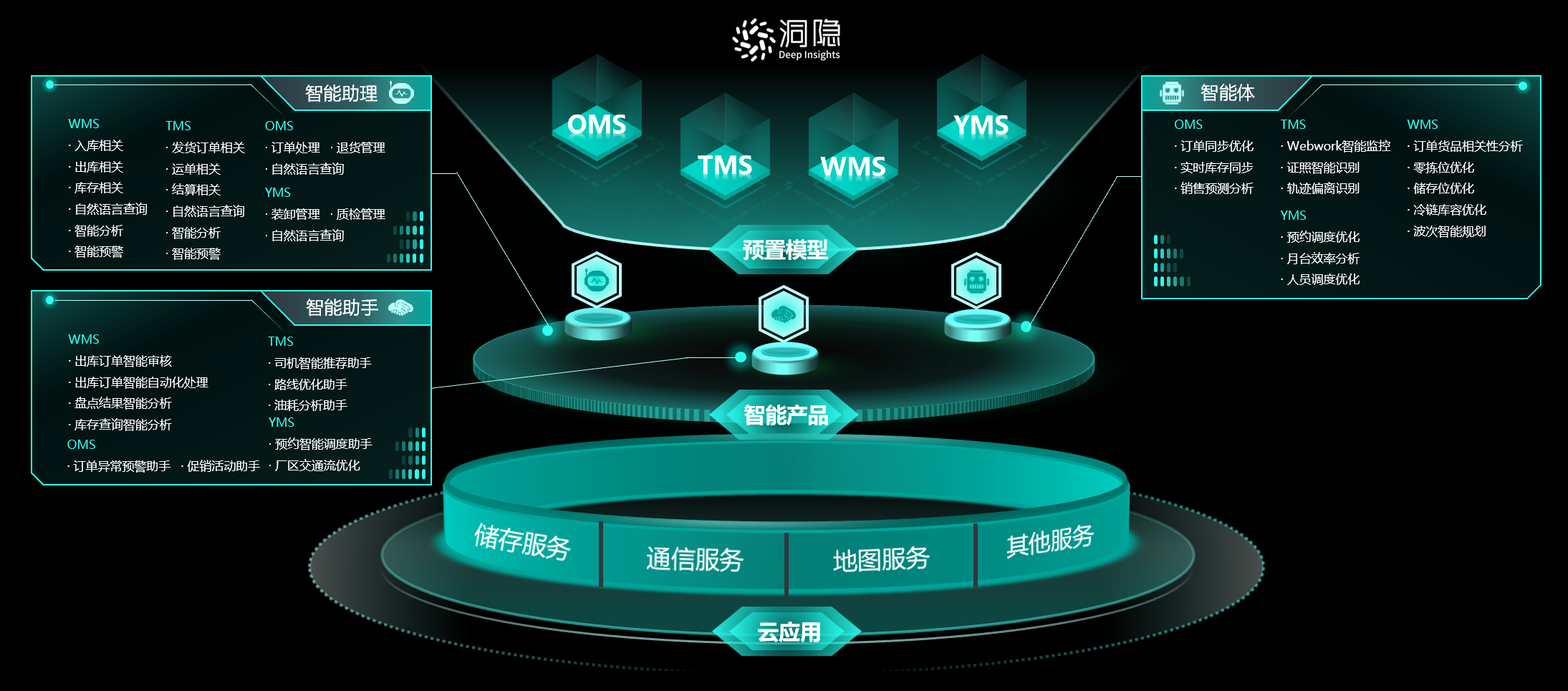
Dongyin is actively driving the consumer goods industry’s transition from experience‑driven to algorithm‑driven operations, ensuring that intelligent decision‑making permeates every inch of warehouse space and every segment of the transportation network.
Tag:
Related News

undefined
Trying and Experiencing Immediately.

 Products
 Solution
 Resource
 About Us
Sales Hotline
+86-400-107-7860
Address: Room 1201, Urban Construction International Building, 500 Fushan Road, Pudong New Area, Shanghai
E-mail:info@deepinsights.com.cn
Service Line:+86-400-107-7860

Follow Us

Join our community